

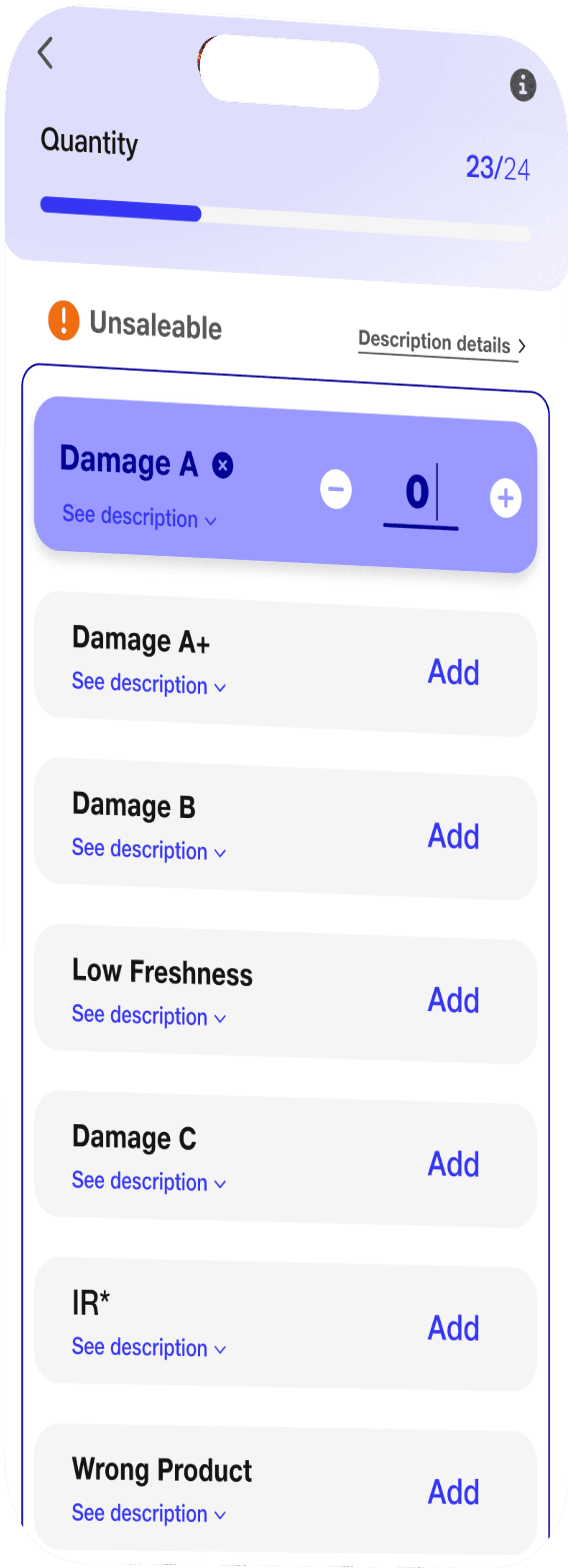


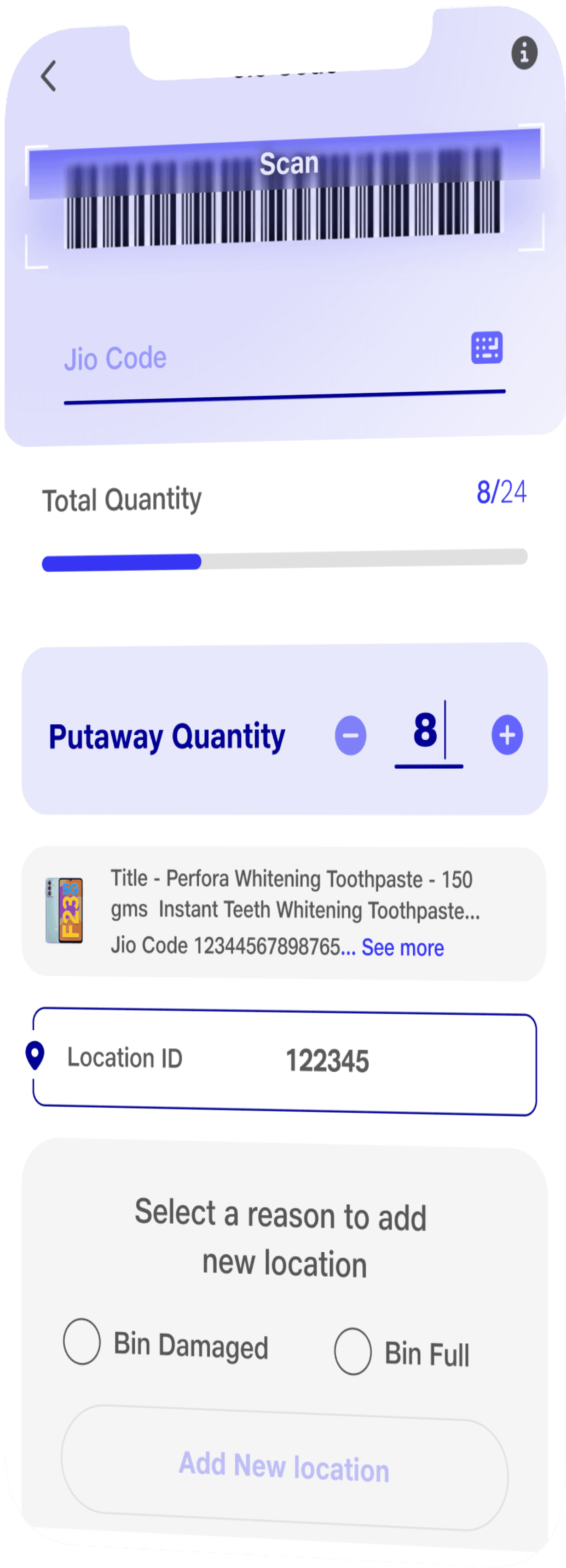
I led a comprehensive project to design the Reliance Warehouse system, aiming to enhance both efficiency and user experience. The focus was on optimizing the on-ground user journey and creating a robust, end-to-end inventory management system.
Project type
UI/UX
COMPANY
Reliance Retail
India
Timeline
2023
Mar -July
SKILLS
Intuitive interface
System Design
Problem Solving
The Goal
The goal is to have an efficient system by determining the best arrangement for storage and workflow. It should track all forms of inventory so items can be quickly located and it helps to manage the supply chain by keeping track of what is needed and when. It supports the use of RFID tags, barcoding, and serial numbers. The impact we aim for 50% Increase in Order Fulfillment Speed and Cost Savings on Operational Overheads.
Understanding the scenario
Analyzing the Challenges of Warehouse Operations and Designing a Tailored the path forward.
Background
A Warehouse Management System (WMS) is essential for managing the flow of goods within a warehouse, from receiving to dispatching. The primary challenge was integrating the four major functions of warehouse management—inbound, outbound, inventory management, and returns—into a cohesive digital solution.

Key Issues with existing Warehouse management system
Reliance Warehouse's existing management system was rudimentary, offering only basic functionality that struggled to meet the demands of daily operations. Each function was previously managed through fragmented systems, leading to inefficiencies such as delayed inbound shipments, inaccurate inventory counts, and slow returns processing. These issues impacted overall supply chain performance
System Failures During High Demand
• The existing warehouse management system frequently failed during sales events or sudden upsurges in activity.
• System crashes and slow response times during peak periods resulted in delays, errors, and inefficiencies in inventory handling and order processing.
Operational Inefficiencies
• The system’s user interface was not intuitive, causing delays and frustration among warehouse staff.
• Warehouse staff faced difficulties in managing inventory accurately, leading to frequent stock discrepancies and misplacements.
• Manual processes were still heavily relied upon, increasing the likelihood of human error and reducing overall productivity.
Approach the Problem - 3 day Workshop
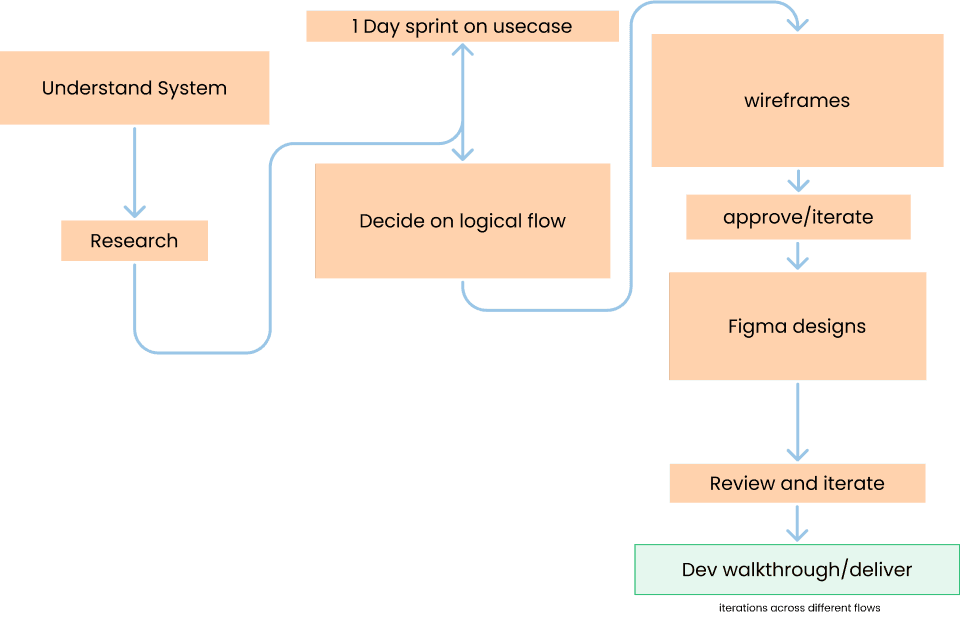
Defining the Process
The biggest challenge was understanding the process and the idea was to create and test wireframes of the happy flow and get them tested on ground, allowing us to gather feedback quickly and make adjustments without delaying development. This approach let the logistics team provide insights on operational needs, while developers ensured technical feasibility. It also helped us continuously refine the design, and each iteration was more aligned with user needs and system requirements before moving to the next stage.
MoSCoW method
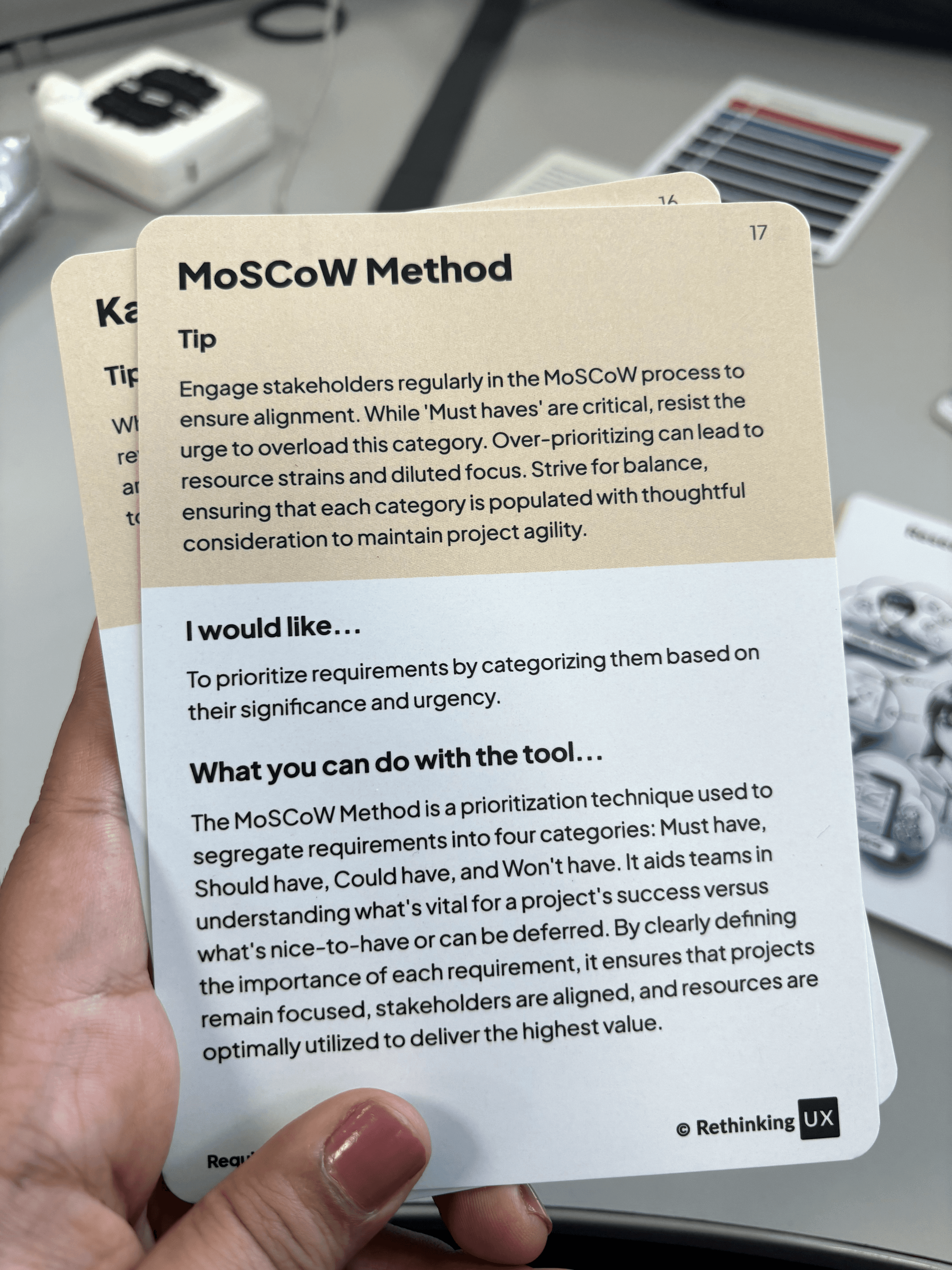
Setting Priorities: After doing a secondary research, Using the MoSCoW method we prioritised the features. Reliance Warehouse can ensure that the most critical aspects of the WMS are addressed first. This approach balances immediate needs with future growth and technological advancements, providing a solid foundation for efficient warehouse operations.
Must-Haves:
Real-Time Inventory Tracking
maintaining accurate inventory levels and locations.
Prevents stockouts/overstock
Labor Management Tools
Task allocation, performance tracking, and scheduling are vital for productivity.
Prioritize clarity and ease of navigation.
Error Reduction Mechanisms
Minimise human errors
Validation checks
Won’t-Haves:
Won’t-Haves (for now):Highly Customised Solutions
Customisation beyond core functionality might complicate integration and increase costs.
Automation and Robotics
Robotics and automation can be deferred until foundational WMS features are established and the impact is realised business going up.
Should-Haves:
Role-Based Access Control
Create interfaces for setting up and managing role-based permissions, ensuring that users only access relevant inventory data and functions.
Data analytics to identify trends and support decision-making
Should-Haves:
Automation and Robotics
Robotic picking systems to increase speed and accuracy.
Eco-friendly operations
Optimization of transportation and logistics to reduce carbon footprint.
Key InsightThe primary users of the Reliance Warehouse Management System app are warehouse staff and managers. These include inventory handlers, order pickers, packers, and supervisors who rely on the app for real-time inventory tracking, efficient order processing, and streamlined warehouse operations.
Who is our user
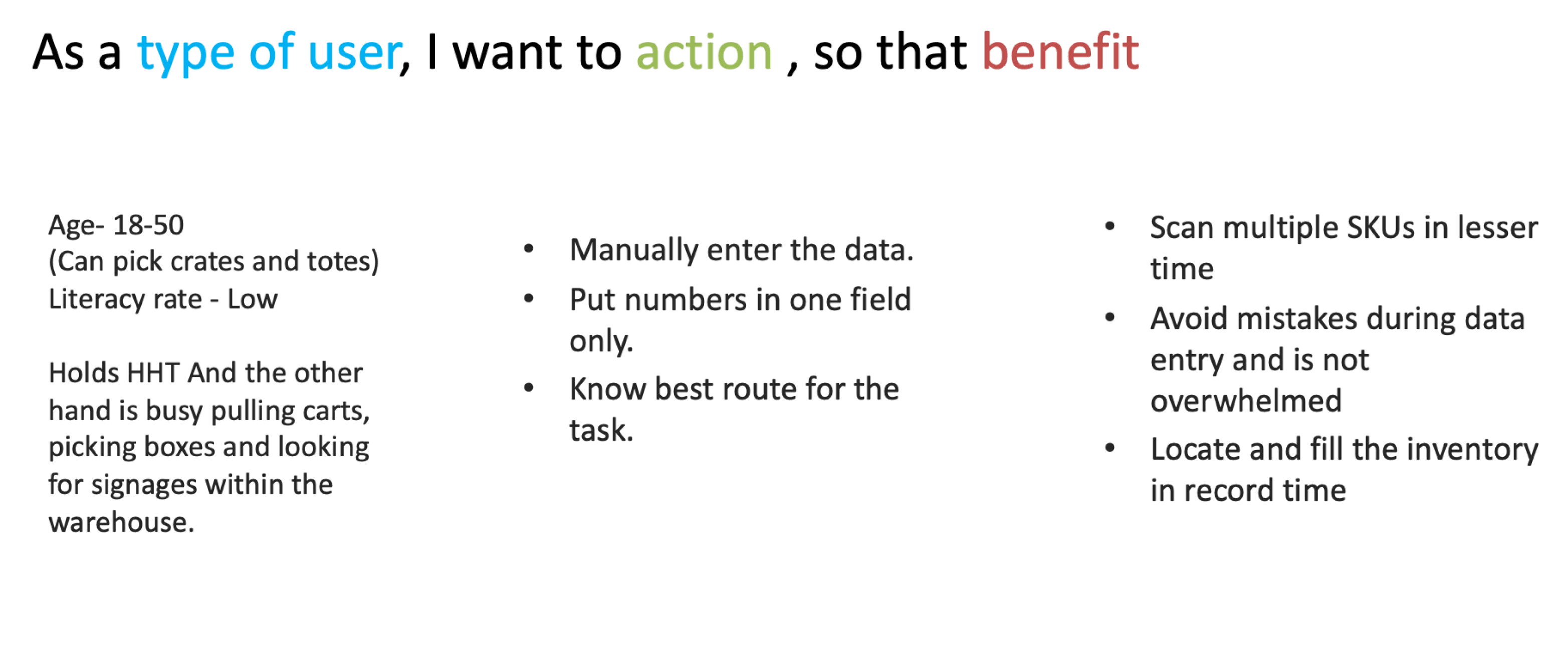
Age- 18-50
(Can pick crates and totes)
Literacy rate - Low
He/She is doing the same tasks again and again
Various pricing plans are available to suit different budget needs.
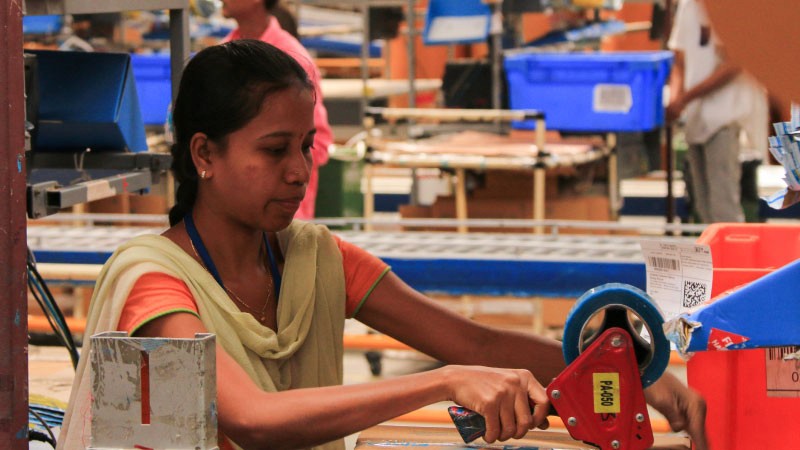
Cook together and come from nearby villages
Go through training before working on the ground

Research and Ideation
Research and ideation went hand in hand as we built the product from scratch.
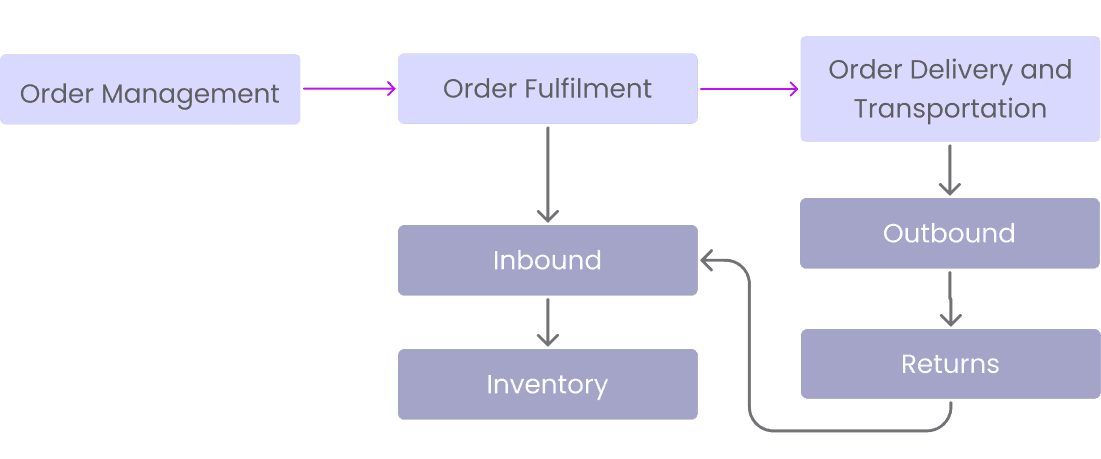
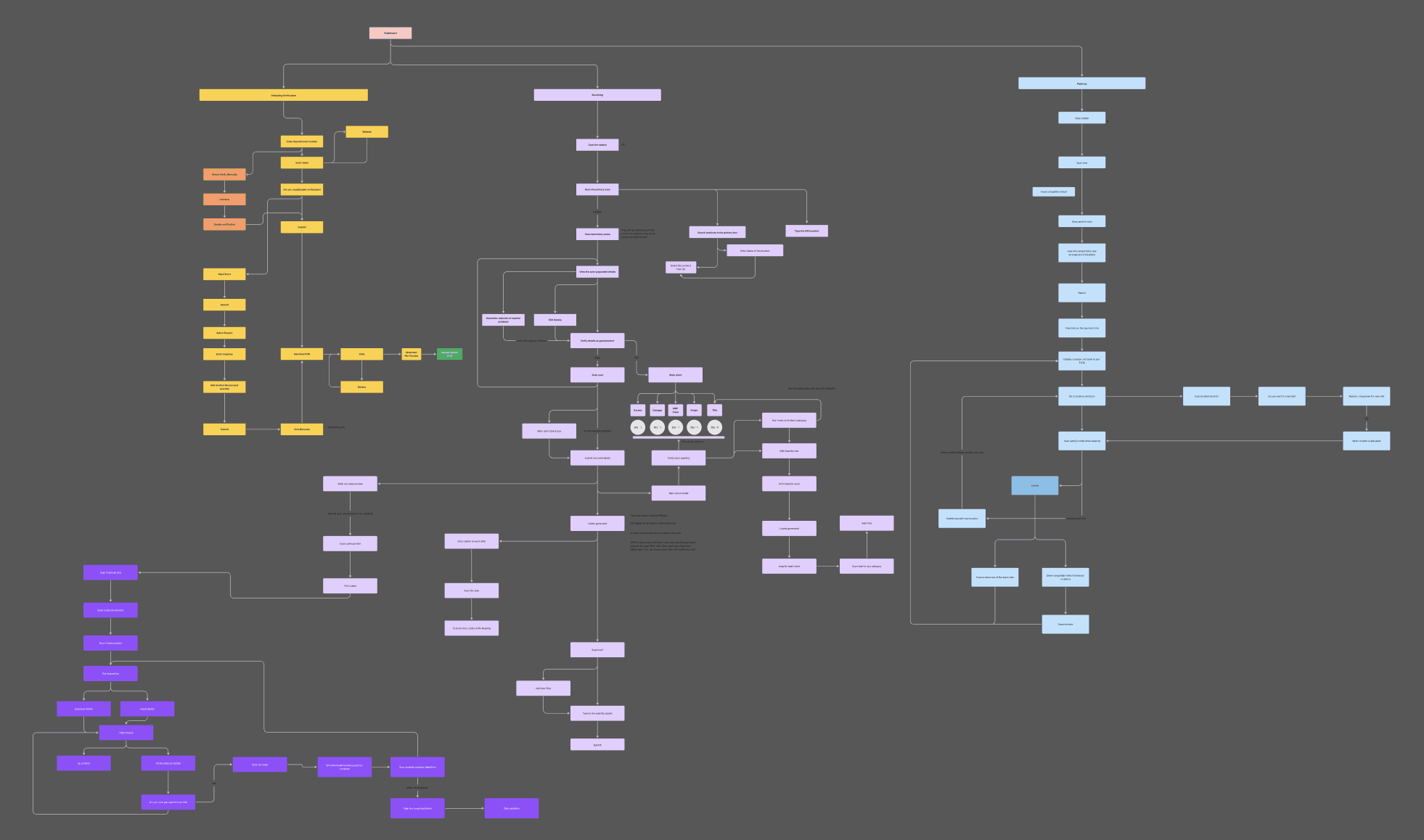
For the information architecture , we followed a linear flow to the process, and parallely a structured approach was followed to ensure that users engage effectively with the warehouse management system:
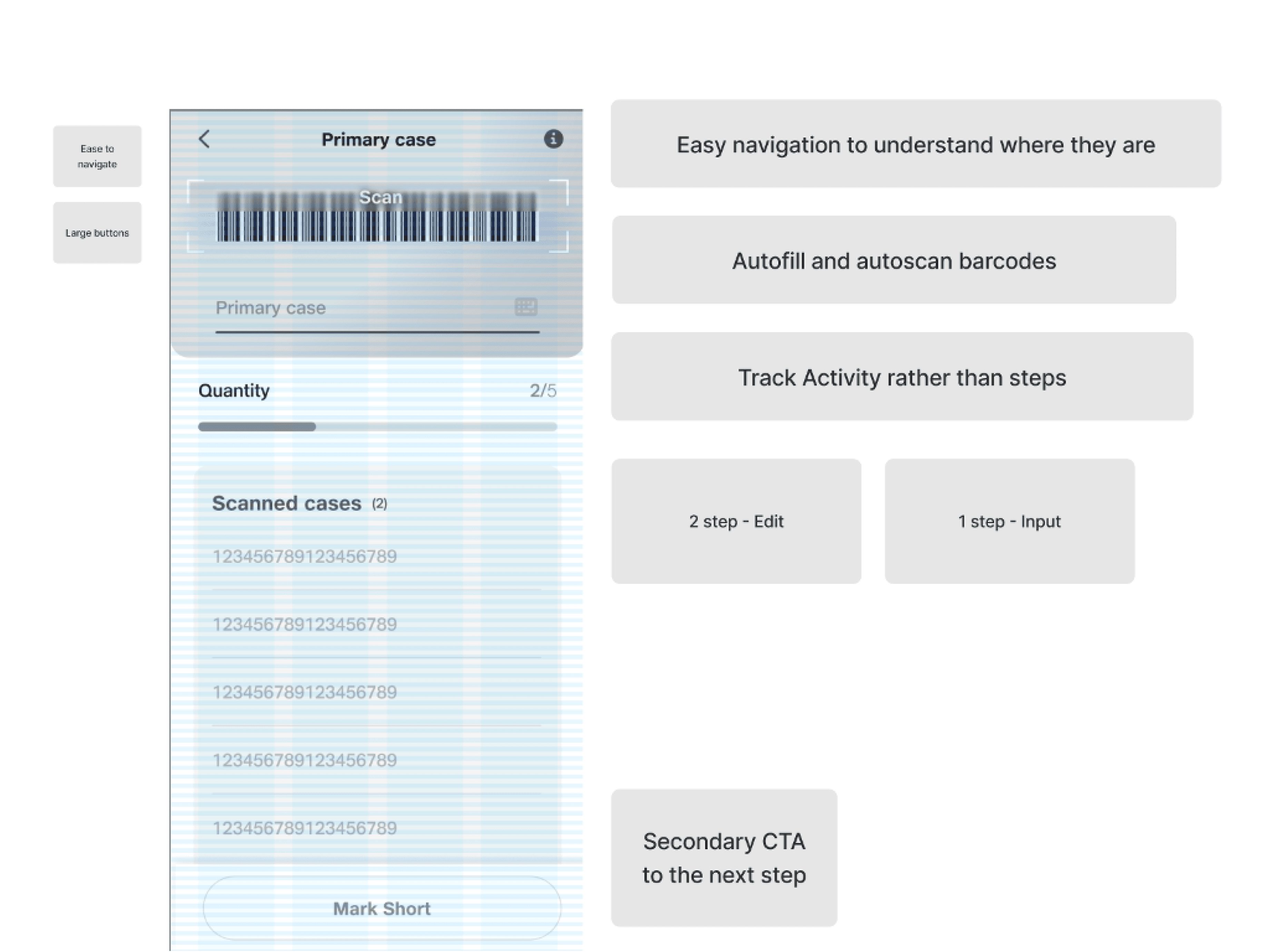
Scan and Verify
Visual progress
Know the call to action
Verify with Precision
Understanding the scenario
Analyzing the Challenges of Warehouse Operations and Designing a Tailored the path forward.
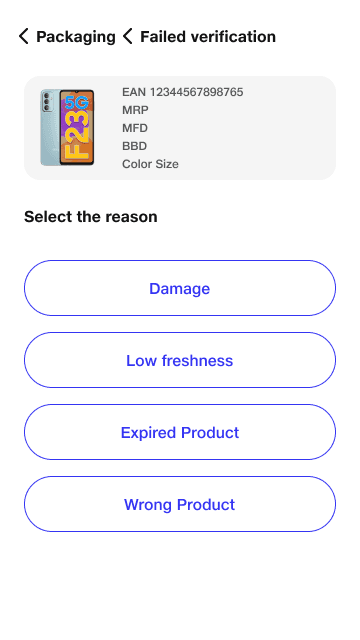
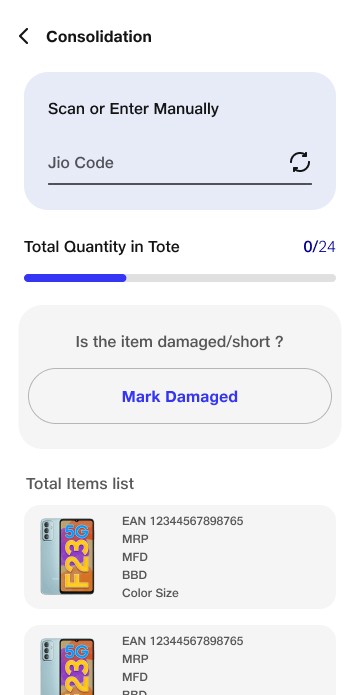
Low fidelity wireframes
The focus was on simplifying complex processes, ensuring an intuitive user interface for operators and managers.
User testing process
guidelines
Give User a clear objective
Ask them to follow a happy path
Follow the real time process and do actions
Put yourself in their shoes
Be observant of the behaviour and irritability
Follow all safety rules
Observations
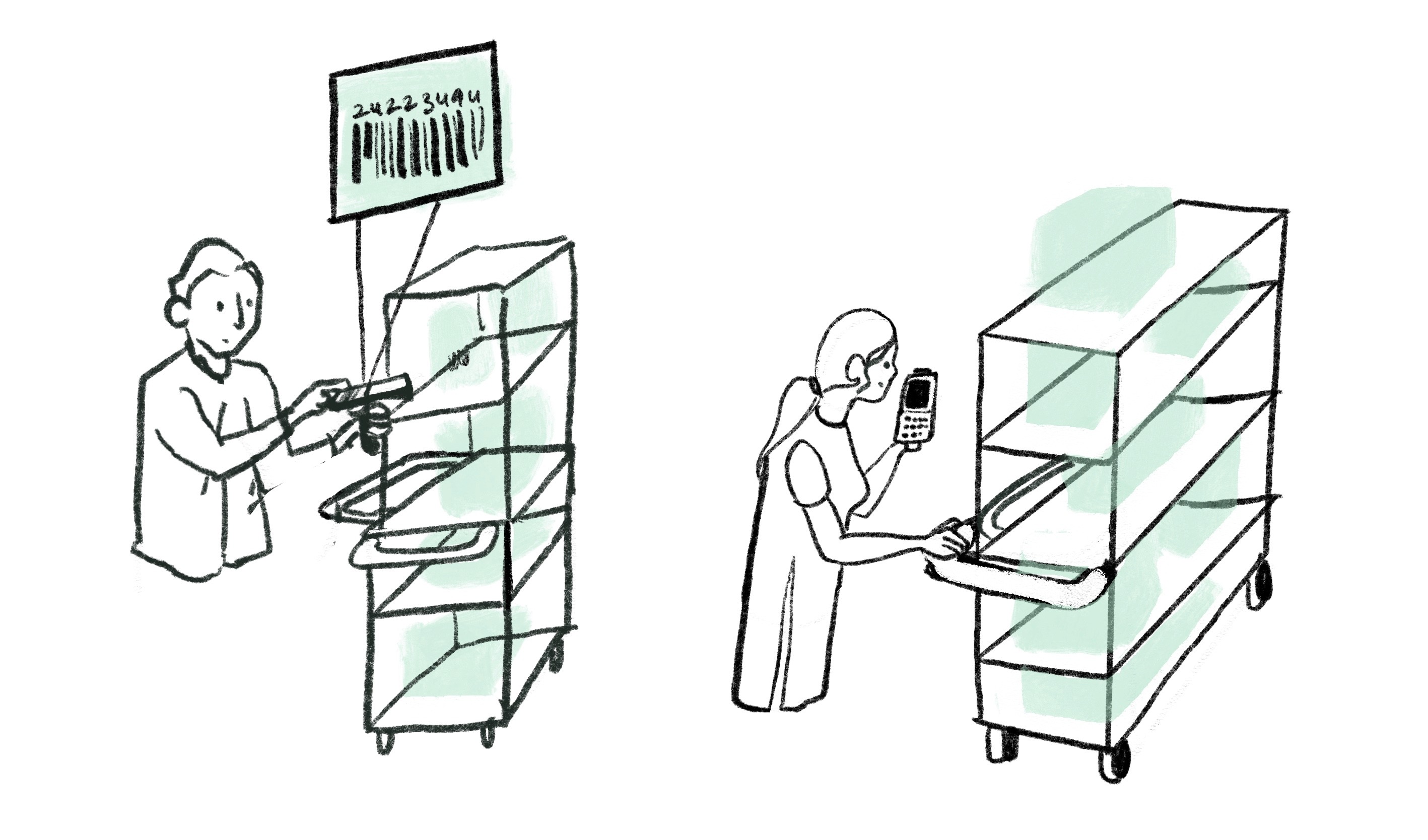
Holds HHT And the other hand is busy pulling carts, picking boxes and looking for signages within the warehouse.
Safety is most important part
Actual actions user needs to perform take use of both hands
The device has lower resolution than mobile devices- Need for optimisation of colors
Route optimisation for the user can reduce the time of the each task as much as 20%
Incentives on job is their motivation
Warehouse shifts can last anywhere between 8 to 12 hours
Task confusion requires quick communication between manager and staff at all times
Vast difference between the mobile interfaces they are used to and the current wms app
Understanding the Problem
We conducted an exercise to reverse-engineer the problem from the solution, focusing on how users could benefit at each stage. Effective journey maps do more than outline steps—they tell a user-centered story about the process. The deeper our understanding, the greater our ability to empathize with the user’s needs.
Hypothesis that worked for Phase 1
Task Success
User journeys for happy paths worked in receiving and Outbound
Focus on action
Coginitive load per screen made users grasp the task at hand easily
Task tracking
Step wise process and history helps keep track of long lasting task
Inventory tracing
Easy to track of product, hence solving for cancelation, inventory track etc
Gaps in design
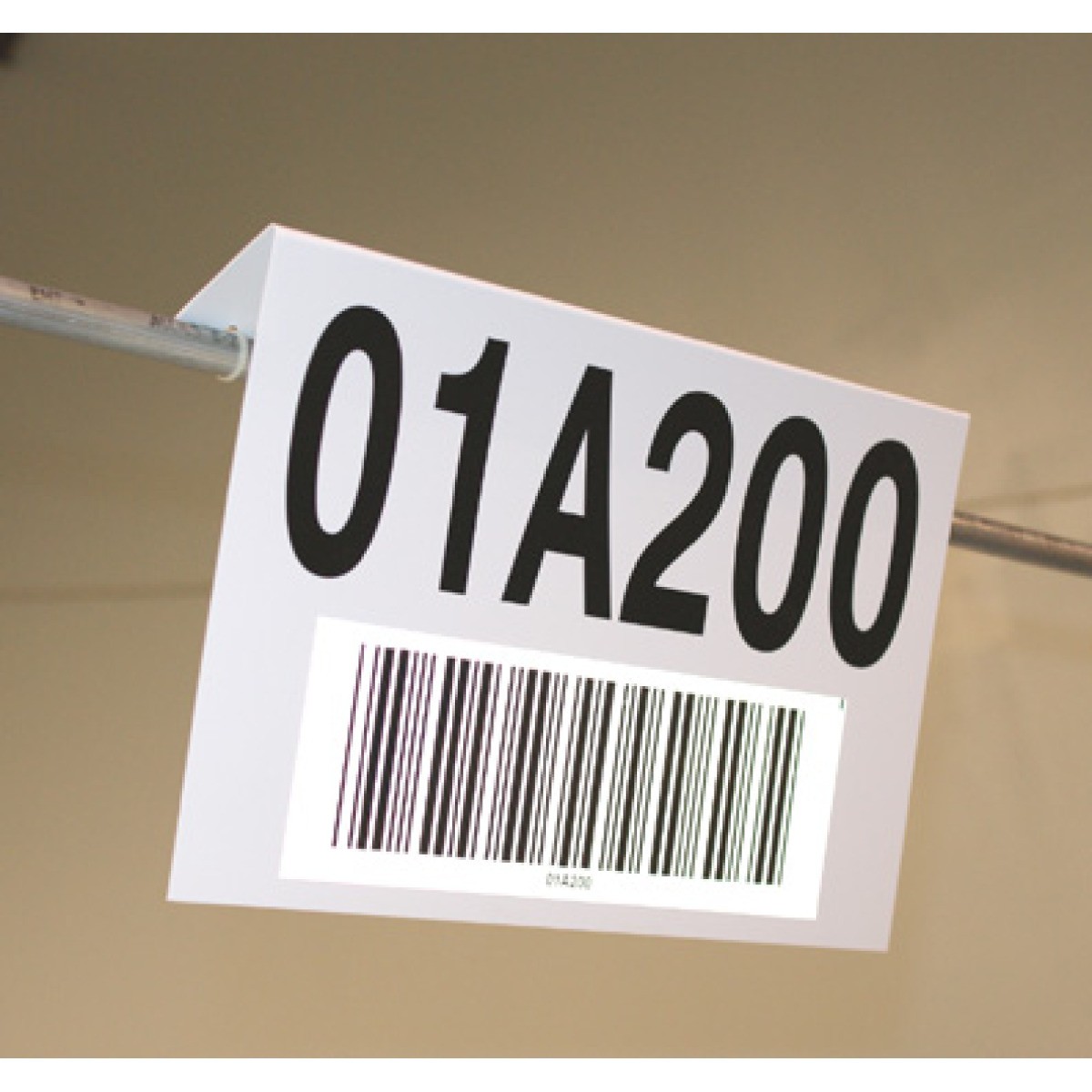
Current Storage tags
Impractical field sizes
Manual entry can fall out in inventory numbers.
Always a way to get out of the task or take break
Ease Recognition
Breakable and unbreakable inventory should have different coloured carton and storing methods and consistent in app as well
Storage identification
Color coding may help them identify the levels of storage in lesser time.
Bag ID to tag each packaging type according to the product.
System status
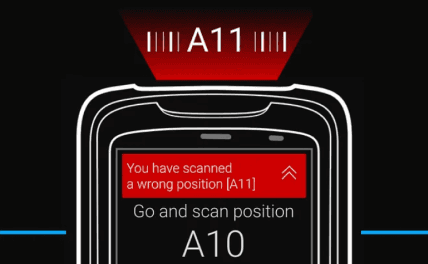
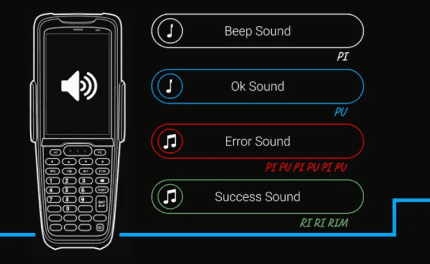
The user should get more than visual cues on errors, task assigning and success, as the user is not always looking at the screen.
Solution and Impact
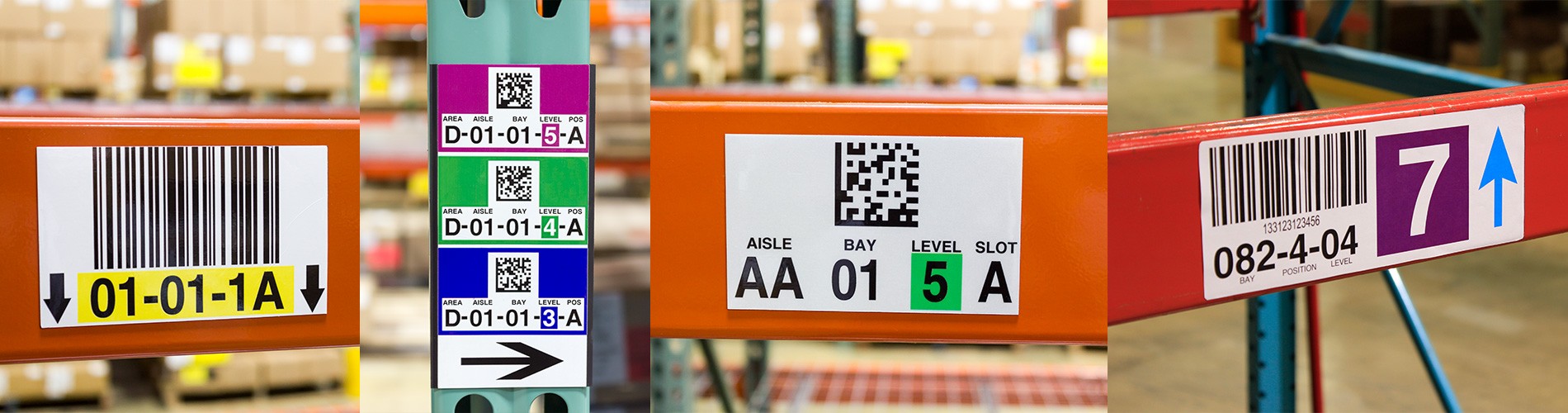
Warehouse Storage Tags
On the right-hand side, there are long numbers indicating the current tags on warehouse storage spaces. Workers were trained on how to read these long numbers manually in case the scanners fail.
The new warehouse storage tags feature large, clear fonts, segmented information, and color-coding for easy readability, even from a distance. Reflective materials and visual icons enhance visibility.
Sound Indicators
To enhance user awareness and efficiency, voice indicators and sound alerts will be integrated into the devices.
These audio cues will help users stay informed without constantly looking at the screen, crucial when they are moving carts and handling cartons
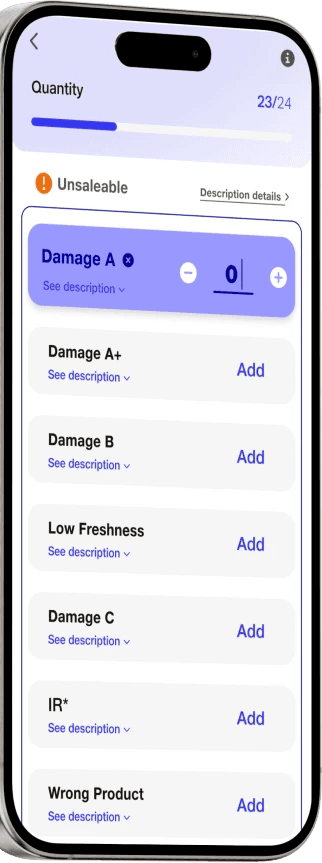
Real-time updates
Easier input
Task oriented layout
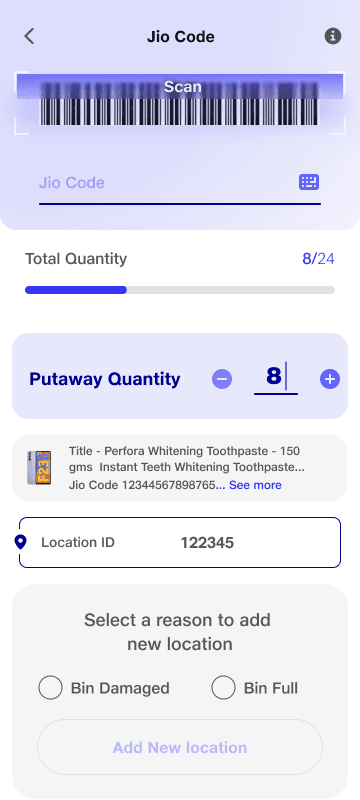
Feedback and Confirmation
Clutter-free
Automate info updates
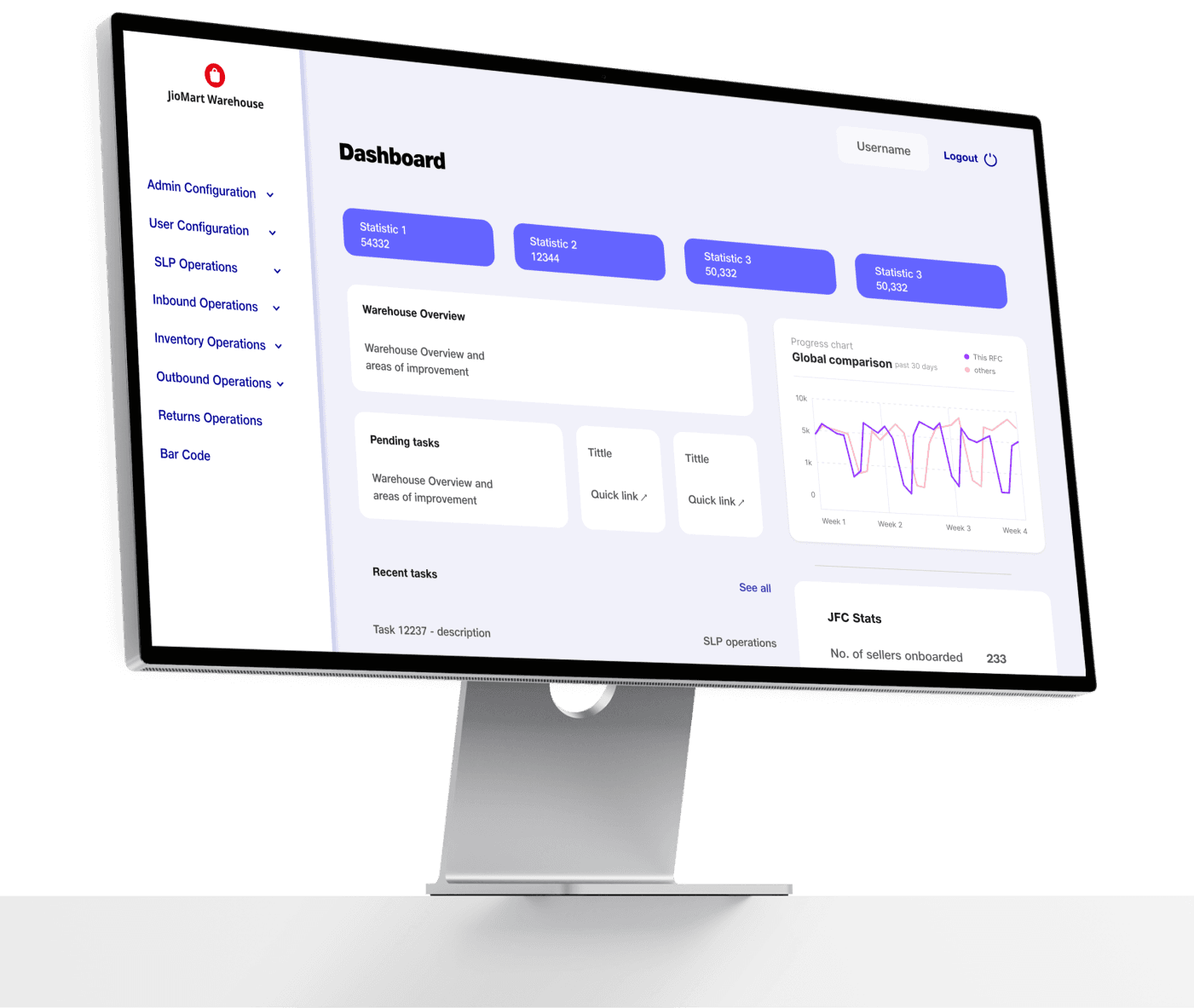
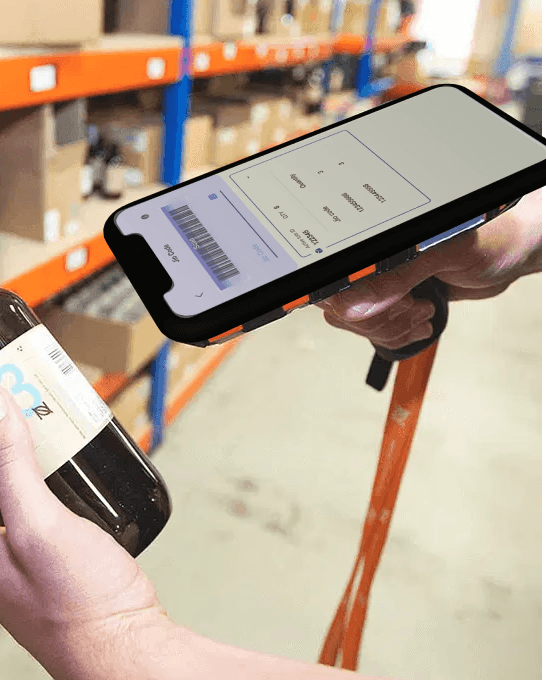
Visual confirmation with images
Central Design system Compliant
Color coding - obliterate mistakes
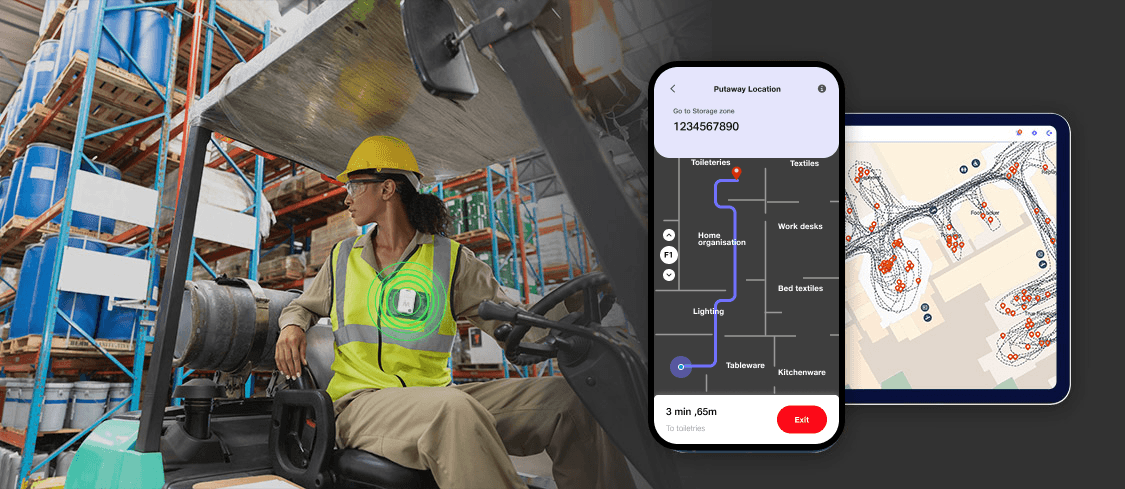
Impact
Error Reduction:
Error rates in inventory management dropped by 40%, leading to more accurate stock levels and fewer discrepancies.
Increased Efficiency:
Warehouse operational efficiency improved by 30% after implementing the app, solving the high volume orders in sale.
Faster Order Fulfillment:
Order processing time saw a significant improvement, with 95% of orders now being completed on time, it was just 70% before the revamp.
Cost Savings:
Overall operational costs were reduced by 20% through optimized labour allocation and better tracking of resources. Customer reviews showed
Employee Productivity:
Worker productivity increased by 15%, as the app streamlined task assignments and prioritized workloads.
Warehouse Capacity Utilization:
Warehouse space utilization improved by 18% due to better inventory placement and stock rotation.